
 5 out of 5 on

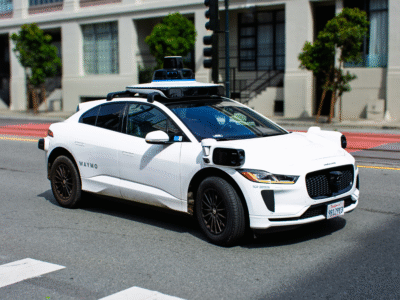
Vehicles equipped with advanced driver assistance systems and fully autonomous driving technology are appearing more frequently on Santa Barbara roads. Companies continue testing and deploying these vehicles throughout California, and ride hailing services using autonomous vehicles are becoming increasingly common.
When an autonomous vehicle is involved in a collision, identifying who is responsible requires a careful investigation. The answer depends on how the autonomous vehicle technology was being used, whether a human was expected to intervene, and whether a product defect or human negligence contributed to the crash.
The Santa Barbara driverless car accident lawyers at NordstrandBlack PC can investigate an accident involving catastrophic injuries and advise you about your options for pursuing maximum compensation from all liable parties.
How Does California Define a Self-Driving Vehicle?
A self-driving car is a vehicle that is equipped with technology capable of performing some or all driving tasks without constant human input. Many vehicles currently on the road are not fully autonomous. Instead, many vehicles use Advanced Driver Assistance Systems (ADAS), such as adaptive cruise control, lane keeping assistance, automatic emergency braking, traffic jam assistance, and automatic parking features.
Fully autonomous vehicles operate with much less human involvement, although many still require a safety operator under certain circumstances. Driverless vehicles are legally permitted and currently operating in California. Companies like Waymo offer commercial, driverless robotaxi services in metropolitan areas such as San Francisco and Los Angeles.
Who Can Be Liable for a Self-Driving Car Accident?
Depending on the facts, responsibility may be shared among several individuals or companies. An experienced self-driving car accident lawyer will investigate every potential source of liability rather than assuming only one party is responsible.
Potentially responsible parties include:
- Human drivers or safety operators
- Autonomous vehicle manufacturers
- Software developers
- Fleet operators
- Ride hailing companies
- Vehicle owners
- Maintenance contractors
- Other negligent drivers involved in the collision
When Is the Human Driver of an Autonomous Vehicle Liable?
Many fully autonomous vehicles still require a licensed driver to remain alert and ready to take control. Human drivers may be partially or entirely responsible when they:
- Ignore system warnings
- Fail to monitor the roadway
- Become distracted
- Misuse the autonomous driving features
- Operate the vehicle outside the manufacturer’s limitations
Can the Manufacturer of an Autonomous Vehicle Be Liable?
Manufacturers may face liability when a defect in the vehicle contributes to a crash. Unlike ordinary negligence cases, product liability claims may not require proving that the manufacturer acted carelessly. Instead, the injured person will need to demonstrate that the product was defective and that the defect caused the injuries.
Manufacturing issues may include:
- Defective braking systems
- Steering failures
- Sensor malfunctions
- Camera failures
- Hardware defects
- Defective control modules
What Happens If Driverless Vehicle Software Causes a Crash?
If the software controlling a driverless vehicle fails to recognize hazards, misinterprets traffic conditions, or makes unsafe driving decisions, the software developer or technology provider may share responsibility.
Examples include:
- Incorrect object recognition
- Failure to detect pedestrians
- Misreading traffic signals
- Improper lane positioning
- Unsafe decision making algorithms
- Navigation system errors
Can Sensor or Camera Failures Cause an Accident?
Driverless vehicles rely on a combination of cameras, radar, LiDAR sensors, ultrasonic sensors, and GPS systems to detect their surroundings and safely navigate the roadway. If one or more sensors fail, the vehicle may not correctly identify nearby vehicles, pedestrians, bicycles, or roadway hazards.
In these cases, investigators will analyze:
- Sensor calibration records
- Diagnostic reports
- Event data recorder information
- Software logs
- System warnings
- Maintenance history
When Are Fleet Operators and Ride Hailing Companies Liable?
Fleet operators may be liable for collisions resulting from improper vehicle maintenance, inadequate driver supervision, failure to install software updates, insufficient safety inspections, or noncompliance with California testing regulations.
Answering questions about accident liability for Waymo and other commercial autonomous vehicle operators requires a full review of company maintenance records, operational procedures, and vehicle data.
What If Another Driver Caused the Collision?
In many cases, investigators must determine whether another driver’s negligence, autonomous technology failure, or both contributed to the collision.
Another negligent driver may bear liability if the crash was caused by negligent conduct such as running a red light, distracted driving, following too closely, speeding, making an illegal lane change, or driving under the influence.
Your Attorney Will Collect Evidence to Build a Strong Claim
Autonomous vehicle cases frequently require more evidence than other types of crashes. Because digital evidence can be overwritten or lost, it is important to take prompt legal action.
Your car accident lawyer will collect important evidence that may include:
- Police reports
- Vehicle event data recorders
- Camera recordings
- Sensor data
- GPS records
- Software logs
- Maintenance records
- Manufacturer updates
- Driver monitoring data
- Witness statements
- Surveillance videos
Speak With a Trusted Santa Barbara Driverless Car Accident Lawyer
Autonomous vehicle collisions are changing the way accident investigations are conducted. Santa Barbara personal injury attorneys Renée Nordstrand-Black and Doug Black have extensive experience handling serious motor vehicle accident claims involving catastrophic injuries.
Renée has received the Deborah Talmage Attorney of the Year Award, and our firm has earned a 10.0 Superb Avvo Rating.
We thoroughly investigate every potential source of liability to pursue the compensation our clients deserve.
Call (805) 962-2022 to schedule a free consultation where you can discuss your case with an experienced driverless vehicle crash attorney.
Remember: Experience Makes the Difference.
Frequently Asked Questions About Liability and Driverless Car Accidents
Who can be held liable in a self-driving car accident in Santa Barbara?
Liability in a self-driving car accident depends on the specific facts of the crash. Potentially responsible parties may include the human driver or safety operator, the autonomous vehicle manufacturer, a software developer, a fleet operator, a maintenance company, the vehicle owner, or another negligent driver.
Can I file a claim if a Waymo or other autonomous vehicle caused my accident?
If a Waymo or other autonomous vehicle contributed to your injuries, you may have the right to pursue compensation. Depending on the circumstances, claims may involve the vehicle operator, the company operating the fleet, the manufacturer, or another responsible party. A thorough investigation is necessary to determine liability.
What evidence is important in an autonomous vehicle accident case?
Evidence in an autonomous vehicle accident may include police reports, witness statements, surveillance videos, vehicle event data, sensor and camera information, software logs, maintenance records, and accident reconstruction reports. Because digital evidence can be lost or overwritten, it is important to begin preserving evidence as soon as possible after the crash.
Can the manufacturer be responsible if the self driving technology failed?
Yes. If a defect in the vehicle’s hardware, software, sensors, cameras, or automated driving system contributed to the collision, the manufacturer or another technology company may be liable under California product liability laws. These cases often require technical experts to determine whether a defect caused the accident.