
 5 out of 5 on

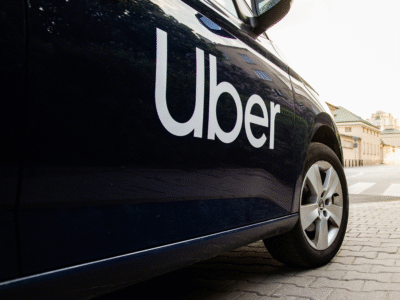
The Santa Barbara rideshare accident lawyers at NordstrandBlack PC know how to navigate complex motor vehicle accident claims. If you have suffered catastrophic injuries, we can conduct a thorough investigation and seek compensation from various sources.
Why Are Uber and Lyft Accidents Different?
Uber and Lyft drivers use their personal vehicles while also working through a transportation network company (TNC). As a result, several insurance policies may potentially apply to a single collision.
Unlike a car accident that only involves two personal auto insurance policies, a rideshare accident may involve:
- The rideshare driver’s personal auto insurance
- Uber or Lyft’s commercial insurance policy
- Uninsured/Underinsured Motorist (UM/UIM) coverage
- Another driver’s insurance policy
- The injured person’s own automobile insurance
Comparative Fault Laws in California
California follows comparative fault principles. This means that more than one party may share responsibility for the same collision. Therefore, when multiple drivers contribute to an accident, injured victims may have claims against more than one insurance policy.
California Recognizes Different Insurance Periods for Rideshare Drivers
California law treats rideshare insurance differently depending on whether the driver was actively using the rideshare app. Understanding these coverage periods is one of the first steps in determining who may be required to pay for injuries after an accident.
Period One: The App Is Off
If the driver is not logged into the Uber or Lyft app, they are generally treated like any other private motorist. During this period, the driver’s personal automobile insurance typically provides primary coverage for the accident.
Unfortunately, some rideshare drivers may allow their personal insurance to lapse. If an uninsured Uber of Lyft driver causes a crash while the app is off, recovering full compensation may require exploring other insurance options.
Period Two: The Driver Is Logged In and Waiting for a Ride Request
Once the driver turns on the rideshare app and is waiting for a passenger request, different insurance rules apply. During this period, limited third party liability coverage may be available through the rideshare company’s insurance policy, subject to the policy’s terms and applicable California law.
Coverage during this period is generally more limited than when the driver is actively transporting a passenger. Determining exactly which insurer is responsible requires reviewing electronic trip records and rideshare data.
Period Three: The Driver Is Picking Up or Transporting a Passenger
This is the highest level of insurance protection, and it applies after the driver accepts a ride request. This includes situations where the rideshare driver is:
- Driving to pick up a passenger
- Transporting the passenger
- Completing the ride
During Period Three, substantially higher liability coverage and additional protections may be available through Uber’s or Lyft’s commercial insurance policies, depending on the facts of the accident and the applicable insurance policy.
What Happens If the Rideshare Driver Has No Insurance?
If the rideshare driver does not carry valid personal automobile insurance or lacks sufficient coverage, you may still have options. Depending on the circumstances, compensation may be available through:
- Insurance coverage provided by the rideshare company
- Uninsured/Underinsured Motorist (UM/UIM) coverage available under the applicable policy
- Your own UM/UIM coverage, depending on your policy language
- Another negligent driver’s insurance if they contributed to the crash
When Is Uber or Lyft Liable?
Uber and Lyft do not automatically pay every accident claim simply because one of their drivers was involved. Coverage depends on several important questions, including:
- Was the app turned on?
- Had the driver accepted a ride?
- Was a passenger in the vehicle?
- Did another driver cause the collision?
- Which insurance policy provides primary coverage?
What Is Uninsured and Underinsured Motorist Coverage?
Uninsured Motorist (UM) coverage may provide compensation when the at fault driver has no insurance. Underinsured Motorist (UIM) coverage may apply when the at-fault driver’s insurance is insufficient to fully compensate the injured person.
What If Another Driver Caused the Rideshare Accident?
Another motorist may be responsible if their negligence caused the accident. This may include unsafe behavior such as running a red light, speeding, driving while distracted, following too closely, driving under the influence, or making an unsafe lane change.
What If You Were a Rideshare Passenger?
If you suffered injuries as a rideshare passenger, you may have claims against one or more responsible parties, including:
- Your rideshare driver
- Another negligent driver
- Multiple negligent motorists
- Insurance policies providing UM/UIM coverage
- Commercial rideshare insurance policies
Your Attorney Will Collect Evidence to Build a Rideshare Accident Claim.
Building a successful rideshare accident claim often requires gathering evidence from multiple sources, including the rideshare company, insurance carriers, and law enforcement. An attorney can act quickly to preserve important records before they are lost or overwritten and use that evidence to determine how the crash occurred and which insurance policies apply.
Important evidence may include:
- Police reports
- Photographs of the accident scene
- Witness statements
- Dash camera footage
- Uber or Lyft trip records
- App screenshots
- Electronic ride history
- Vehicle damage
- Medical records
- Cell phone records, when appropriate
Speak With an Experienced Santa Barbara Rideshare Accident Lawyer
Santa Barbara rideshare accident attorneys Renée Nordstrand-Black and Doug Black can investigate the accident and pursue full compensation under California law. Renée has received the Deborah Talmage Attorney of the Year Award, and our firm has earned a 10.0 Superb Avvo Rating.
For a free consultation, call (805) 962-2022 today.
FAQs About Seeking Compensation After an Accident Involving an Uninsured Rideshare Driver
Does Uber or Lyft automatically pay for every accident?
No. Uber and Lyft insurance does not automatically apply to every collision. The available coverage depends on whether the driver was logged into the app, waiting for a ride request, traveling to pick up a passenger, or actively transporting a passenger when the accident occurred.
Can I file a claim if I was injured as an Uber or Lyft passenger?
Yes. If you were injured as a rideshare passenger, you may be able to pursue compensation regardless of which driver caused the accident. Depending on the circumstances, your claim may involve the rideshare company’s insurance, another driver’s insurance, or uninsured/underinsured motorist coverage.
What if another driver caused the rideshare accident?
If another driver caused the collision, you may be able to recover compensation through their insurance policy.
What damages can I recover after a rideshare accident?
If another party is legally responsible for your injuries, you may be able to recover compensation for medical expenses and other losses, like loss of income, future medical care, rehabilitation costs, property damage, pain and suffering, emotional distress, and reduced earning capacity.