
 5 out of 5 on

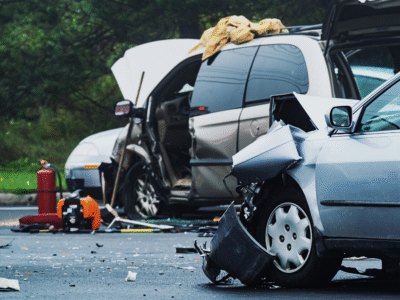
Many intersection crashes come down to one simple problem: both drivers insist they had the green light. Without independent evidence, determining who caused the collision can become much more difficult.
If you were injured in an intersection crash, witness testimony may become one of the most valuable forms of evidence available. An independent person who saw the crash unfold can often provide details that neither driver can dispute. Their observations may help police officers complete more accurate reports, support your insurance claim, and strengthen your position if your case proceeds to court.
The Santa Barbara intersection crash attorneys at NordstrandBlack PC can investigate the collision and review your options for seeking maximum compensation.
Why Intersection Crashes Can Become “Your Word Against Theirs”
Intersections are among the most common locations for serious vehicle collisions. Drivers must watch traffic signals, pedestrians, cyclists, turning vehicles, and cross traffic simultaneously. When a crash occurs, each driver may genuinely believe that they had the right of way.
Common intersection collisions include:
- Red-light accidents
- Left-turn crashes
- T-bone collisions
- Failure-to-yield accidents
- Multi-vehicle chain-reaction crashes
How Independent Witnesses Help Prove Fault
Independent witnesses typically have no personal or financial interest in the outcome of the case. Because they are not one of the drivers involved, insurers, investigators, and juries often view their statements as more objective. A detailed eyewitness statement can fill important gaps that photographs or vehicle damage alone cannot explain.
An eyewitness may be able to describe:
- Which driver entered the intersection first
- Whether a traffic signal was red, yellow, or green
- Whether a driver failed to yield
- Excessive speed
- Distracted driving
- Dangerous lane changes
- Weather and visibility conditions
- The sequence of events immediately before impact
Witness Testimony Can Support Police Report Information
A police report will typically include the date, time, and location of the crash, the drivers’ and witnesses’ statements, officer observations, vehicle damage, road and weather conditions, and any traffic citations issued.
Although police reports are valuable pieces of traffic accident evidence, they are not always conclusive. If additional witnesses come forward later, their testimony may help correct misunderstandings or provide greater context.
Witnesses can help strengthen your case by:
- Identifying the driver who violated traffic laws
- Confirming traffic signal timing
- Explaining the direction each vehicle was traveling
- Clarifying confusing multi-vehicle crashes
- Documenting observations while their memories remain fresh
Witnesses Can Help Strengthen Your Insurance Claim
When multiple independent witnesses tell similar stories, insurance companies often have greater difficulty disputing liability. This can make a meaningful difference when proving fault in a car crash claim.
Witness testimony may help by:
- Corroborating your version of events
- Challenging inaccurate statements from the other driver
- Supporting photographs and vehicle damage
- Reinforcing police findings
- Demonstrating consistent evidence throughout the investigation
California’s Comparative Fault Rules Make Evidence Even More Important
California follows a pure comparative fault system, meaning you may still recover compensation after a car accident even if you were partially responsible for the crash. Because insurance companies frequently argue that both drivers share responsibility, strong witness testimony may reduce attempts to unfairly assign blame.
What Makes a Good Eyewitness?
A neutral bystander often carries more weight than passengers riding in one of the involved vehicles because they are viewed as having less personal interest in the outcome.
The strongest witnesses generally:
- Had a clear view of the intersection
- Were paying attention before the collision
- Have no relationship with either driver
- Provide consistent statements over time
- Are willing to cooperate with investigators
Collecting Witness Contact Information After a Collision
If possible, ask any eyewitnesses for their full name, phone number, email address, and, if they are comfortable sharing it, their home address. You should also write down a brief summary of what each witness observed while the details are still fresh in their memory. Witnesses may leave the scene before law enforcement arrives, making it much harder to locate them later.
Acting quickly helps preserve accurate accounts of the collision before memories begin to fade. If you are seriously injured and unable to gather this information yourself, an attorney may be able to help identify and contact witnesses as part of the investigation.
How Attorneys Preserve Witness Testimony
Witness memories are strongest shortly after a collision. A personal injury attorney may act quickly to preserve evidence by:
- Conducting witness interviews
- Obtaining written statements
- Recording interviews when appropriate
- Comparing testimony with police reports
- Reviewing nearby surveillance footage
- Gathering traffic camera evidence
- Identifying additional witnesses through nearby businesses
Combining witness testimony with photographs, electronic data, vehicle damage, and other traffic accident evidence can create a much stronger case than relying on any single piece of evidence alone.
Your Attorney Will Collect Additional Evidence to Support Your Claim
Witness testimony is most effective when supported by additional evidence. Helpful evidence may include:
- Police reports
- Traffic camera footage
- Business surveillance videos
- Dashcam recordings
- Vehicle damage
- Accident reconstruction
- Skid marks
- Cell phone records in distracted driving cases
Speak With a Trusted Santa Barbara Intersection Collision Attorney
If you were injured in an intersection crash, having the right legal team on your side can make a significant difference in protecting your rights and building a strong claim. The car crash attorneys at NordstrandBlack PC understand the challenges that arise when drivers provide conflicting accounts, and we work to build a case supported by the facts.
Our goal is to help clients pursue compensation for medical expenses and other losses resulting from an intersection crash.
NordstrandBlack PC has earned a 10.0 Superb Avvo Rating, and founding attorney Renée Nordstrand-Black has been recognized with the Deborah Talmage Attorney of the Year Award.
Call (805) 962-2022 to schedule your free consultation today.
FAQs About How Eyewitness Testimony Can Strengthen an Intersection Collision Claim
Can witness testimony help prove who caused an intersection crash?
Yes. Independent witnesses can provide unbiased accounts of how the collision occurred, including which driver had the right of way or whether someone ran a red light. Their testimony may strengthen your insurance claim or personal injury case when fault is disputed.
What should I do if there were witnesses to my intersection crash?
If it is safe to do so, ask witnesses for their names and contact information before they leave the scene. You should also notify the responding police officer that witnesses are present so their statements may be included in the accident report.
Can family members or passengers serve as witnesses?
Passengers and family members may provide witness statements, but insurance companies may argue that they are biased because they know one of the drivers. Independent witnesses who have no connection to either party are often viewed as more objective.
How can an intersection car crash lawyer help with witness testimony?
An intersection car crash lawyer can identify witnesses, interview them while their memories are fresh, obtain written or recorded statements, and use their testimony alongside other evidence to build a stronger claim. Acting quickly helps preserve witness accounts before important details are forgotten.