
Electrical Injury in Santa Barbara? When Could an Electric Utility Be Held Responsible?

By Renee Nordstrand on October 15, 2026

Electrician inspecting electrical equipment, highlighting utility company liability and safety concerns in Santa Barbara electrical injury and electrocution claims.

California electric utilities are subject to specific inspection and maintenance requirements that are intended to keep electrical infrastructure safe. Under California Public Utilities Commission, (CPUC) General Order 165, utilities must inspect electric facilities at regular intervals, document certain problems they find, and schedule corrective action.

• Read more…

Posted in: Personal Injury

Referral Fees for Personal Injury Law Firms in California: What You Need to Know About Rule 1.5.1

By Renee Nordstrand on October 5, 2026

California personal injury attorneys discussing a referral agreement, highlighting lawyer fee sharing and referral fee requirements under California Rule 1.5.1.

Attorneys and law firms should have a clear understanding of California’s fee sharing requirements before transferring a case. Properly documenting the referral arrangement and complying with California Rule of Professional Conduct 1.5.1 will help prevent disputes, ethical lapses, and unnecessary complications for the client and all attorneys involved.

• Read more…

Posted in: Personal Injury

Delivery Truck Blocking the Road or Backing Up? Who Is Liable If You’re Injured in Santa Barbara?

By Renee Nordstrand on September 30, 2026

Delivery workers unload packages from a commercial van, illustrating delivery truck operations and potential accident liability in residential areas.

A delivery driver can be responsible for a crash even when the delivery truck never directly strikes another vehicle. A truck that blocks a driver’s view or creates an unsafe obstruction can contribute to a collision.

• Read more…

Posted in: Truck Accident

How Can You Prove That Truck Driver Fatigue Caused Your Accident in Santa Barbara?
By Renee Nordstrand on September 15, 2026

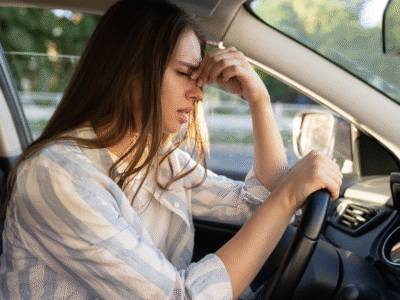
Federal hours of service (HOS) regulations are designed to help ensure commercial drivers remain awake and alert. When a fatigued truck driver causes serious injuries, proving an HOS violation requires investigating the driver's activities and collecting important evidence. Electronic driving records, dispatch communications, receipts, GPS information, and other records can reveal how long a commercial driver had been working before the collision occured. The Santa Barbara truck lawyers at NordstrandBlack PC can review evidence to determine whether the driver complied with federal regulations. We can also investigate whether the trucking company failed to adequately monitor their drivers, or if they pressured drivers to remain behind the wheel longer than allowed by law. Why Is Truck Driver Fatigue So Dangerous? Truck driver fatigue is dangerous because tired drivers can experience slower reactions, reduced concentration, poor judgment, and difficulty recognizing hazards. Those problems become especially dangerous when someone is operating a large commercial vehicle. A fatigued driver may drift from a lane, miss changing traffic signals, fail to notice stopped traffic, react too slowly to congestion, or make unsafe decisions. The consequences can be devastating when a commercial truck collides with a passenger vehicle, pedestrian, bicyclist, or motorcyclist. Truck accident victims can suffer broken bones, brain injuries, neurological injuries, spinal injuries, internal trauma, and other catastrophic injuries. Federal Hours of Service Rules for Truck Drivers The Federal Motor Carrier Safety Administration (FMCSA) hours of service rules limit how long commercial motor vehicle drivers may work and drive before taking required rest. These regulations are contained in Part 395 of Title 49 of the Code of Federal Regulations. For property-carrying commercial drivers subject to these requirements, the rules include: • 11 hour driving limit: A driver may generally drive for a maximum of 11 hours after having 10 consecutive hours off duty. • 14 hour driving window: A driver generally may not drive beyond the 14th consecutive hour after coming on duty following 10 consecutive hours off. • 30 minute break: A driver generally must take a 30-minute break after eight cumulative hours of driving without at least a 30-minute interruption. • 60 or 70 hour limit: Drivers generally cannot drive after being on duty for 60 hours during seven consecutive days or 70 hours during eight consecutive days, depending on the carrier's operations. These limitations are important because hours of service violations may provide evidence that a driver or motor carrier failed to follow federal safety requirements. Electronic Logging Devices Can Provide Valuable Evidence Evidence gathered from an electronic logging device (ELD) can provide important information about a commercial driver's hours behind the wheel. Federal rules require ELDs for many commercial drivers who are required to maintain records of duty status. Your attorney may use ELD information to examine when the driver went on duty, driving periods, breaks, off duty periods, and other activity. By comparing ELD information with driver logbooks and other records, your attorney can locate discrepancies that point to HOS violations. Additional Records That Can Reveal HOS Violation Driver logs are only one part of a fatigue investigation. An experienced attorney can compare multiple independent sources of evidence to reconstruct the driver's activities. FMCSA regulations specifically recognize several types of supporting documents that can help verify records of duty status, including itineraries and schedules, dispatch and trip records, certain expense receipts, electronic mobile communications, and payroll or settlement records. Motor carriers generally must retain required records of duty status and supporting documents for six months. Your attorney may obtain: • Driver logs and ELD records • GPS and vehicle tracking information • Dispatch instructions • Delivery schedules • Fuel receipts • Toll receipts • Bills of lading and trip records • Inspection records • Payroll or settlement records • Vehicle camera footage • Cell phone or fleet communication records when relevant • Communications between the driver and dispatcher • Police reports and witness statements These records can help an attorney identify inconsistencies. A driver's log, for example, might indicate that the driver was resting while a fuel receipt, GPS record, or dispatch communication places the driver somewhere else. Can the Trucking Company Be Responsible for Driver Fatigue? The trucking company may share responsibility when its own actions contribute to unsafe driving. FMCSA guidelines explain that a motor carrier must not permit or require a property carrying driver to drive after applicable hours of service limits have been reached. An investigation may examine whether a motor carrier: • Created unrealistic delivery schedules • Pressured drivers to continue driving despite fatigue • Encouraged or tolerated hours of service violations • Ignored repeated logbook problems • Failed to supervise drivers appropriately • Failed to respond to known safety issues • Used dispatch practices that encouraged unsafe driving Dispatch records can become particularly important. Communications showing that a driver warned a dispatcher about running out of available driving hours, followed by instructions to continue, could substantially change the liability analysis. Speak With a Trusted Santa Barbara Truck Accident Attorney NordstrandBlack PC personal injury lawyers Renée Nordstrand-Black and Doug Black are ready to help you understand your rights and seek the compensation you deserve. Our law firm has been rated 10.0 Superb by Avvo, which is their highest rating for legal skill and ethical behavior. Experience Makes the Difference. If you were seriously injured in a commercial truck accident, call (805) 962-2022 to schedule a free consultation today. Frequently Asked Questions About Proving Truck Driver Fatigue How can my attorney prove that a truck driver was fatigued when they caused my accident? Proving fatigue often requires evidence showing how long the driver had been working and driving before the collision. A fatigued truck driver accident lawyer may examine electronic logging device evidence, driver logs, GPS records, dispatch communications, fuel and toll receipts, delivery schedules, witness statements, and other records to reconstruct the driver's Can electronic logging device evidence reveal truck driver logbook violations? Electronic logging device evidence may reveal driving time, on duty periods, breaks, and other information relevant to compliance with federal trucking regulations. Your attorneys can compare ELD data with GPS records, receipts, dispatch records, and delivery information to identify inconsistencies or potential truck driver logbook violations. Can a trucking company be liable for an accident that was caused by driver fatigue? A trucking company may face liability if evidence shows that it imposed unrealistic schedules, encouraged or permitted hours of service violations, ignored known safety problems, or otherwise contributed to the driver's unsafe conduct.

Federal hours of service (HOS) regulations are designed to help ensure commercial drivers remain awake and alert. When a fatigued truck driver causes serious injuries, proving an HOS violation requires investigating the driver’s activities and collecting important evidence.

• Read more…

Posted in: Truck Accident

Who Pays When There’s No Driver? Understanding Liability in Santa Barbara Self Driving Car Accidents
By Renee Nordstrand on August 30, 2026

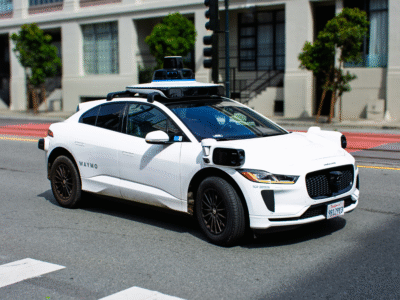
Waymo autonomous vehicle driving on a California city street, representing self-driving car technology, autonomous vehicle accidents, driverless transportation, potential liability involving manufacturers, software providers, fleet operators, and personal injury claims arising from autonomous vehicle collisions.

Vehicles equipped with advanced driver assistance systems and fully autonomous driving technology are appearing more frequently on Santa Barbara roads. Companies continue testing and deploying these vehicles throughout California, and ride hailing services using autonomous vehicles are becoming increasingly common.

• Read more…

Posted in: Car Accident

What Happens If Your Uber or Lyft Driver Is Uninsured in Santa Barbara?

By Renee Nordstrand on August 15, 2026

Close-up of an Uber rideshare vehicle, representing rideshare transportation, Uber accident claims, uninsured or underinsured rideshare drivers, California rideshare insurance coverage, passenger injury claims, and potential compensation after a Santa Barbara rideshare accident.

The Santa Barbara rideshare accident lawyers at NordstrandBlack PC know how to navigate complex motor vehicle accident claims. If you have suffered catastrophic injuries, we can conduct a thorough investigation and seek compensation from various sources.

• Read more…

Posted in: Car Accident

When a Loved One Dies Unexpectedly, What Questions Should Families Ask?

By Renee Nordstrand on July 30, 2026

A judge's gavel rests on its sound block in a courtroom setting, with scales of justice and a courthouse clock blurred in the background. The image represents wrongful death litigation, legal proceedings, and the process of filing a wrongful death claim in Ventura, California, after the unexpected loss of a loved one.

Many families do not realize that a wrongful death claim is separate from any criminal case that may arise after a fatal accident. Even if no criminal charges are filed, surviving family members may still have the right to pursue compensation through California’s civil court system.

• Read more…

Posted in: Wrongful Death

Congratulations to the Winners of the 2026 Reach the Summit College Scholarship

By Renee Nordstrand on July 29, 2026

Many students are now using artificial intelligence as part of their education, but the ability to think independently and communicate with authenticity remains one of the most valuable skills anyone can develop. That important idea inspired the 2026 Reach the Summit Scholarship, and we are proud to announce this year’s scholarship recipients.

• Read more…

Posted in: Law Firm News

Announcing the Finalists for Our 2026 Reach the Summit Scholarship

By Renee Nordstrand on July 23, 2026

Graphic announcing the 2026 Reach the Summit Scholarship finalists. The design features a graduation cap and congratulatory message with the finalists' first names and last initials: Alexis R., Caroline D., Aniyah J., Asia H., Samuel J., Liam C., and Logan L., along with the Reach the Summit Scholarship logo and scholarship webpage.

Pursuing higher education requires perseverance, originality, and the ability to think independently, especially as new technologies continue to reshape classrooms and workplaces. At NordstrandBlack PC, we are proud to recognize students who demonstrate those qualities through our annual Reach the Summit Scholarship.

• Read more…

Posted in: Law Firm News

When It’s Your Word Against Theirs: How Witnesses Help After an Intersection Crash
By Renee Nordstrand on July 15, 2026

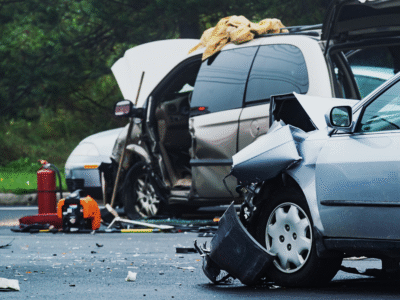
Two damaged vehicles sit in an intersection after a collision, with visible front-end damage, debris scattered across the roadway, and emergency equipment nearby. The image represents an intersection car accident, illustrating the importance of eyewitness testimony, accident scene evidence, and proving fault in a Washington personal injury claim.

Many intersection crashes come down to one simple problem: both drivers insist they had the green light. Without independent evidence, determining who caused the collision can become much more difficult.

• Read more…

Posted in: Car Accident