
 5 out of 5 on

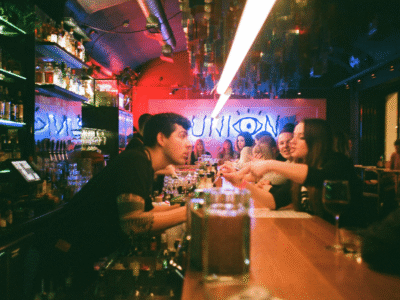
A dram shop is a bar, tavern or similar commercial establishment where alcoholic beverages are sold. In order to file a successful dram shop claim or lawsuit in California, the law requires you to prove that a bar or restaurant provided alcohol to an obviously intoxicated person who was under the age of 21. You must also prove that this was the proximate cause of the victim’s injury or death.
In dram shop cases, video footage can play a critical role in uncovering what actually happened before an alcohol-related injury occurred. Surveillance recordings and other types of video evidence may reveal service to minors and other facts that can become important evidence in a personal injury claim.
The Santa Barbara car accident lawyers at NordstrandBlack PC understand how video evidence can have a significant impact on the success of a dram shop liability claim, and we know how to retrieve and present this kind of evidence. Our attorneys Renée Nordstrand-Black and Doug Black can review your case and advise you on your options for seeking maximum compensation.
Understanding Dram Shop Liability in California
Under California Civil Code Section 1714 and Business and Professions Code Section 25602, the consumption of alcohol, rather than the furnishing of alcohol, is generally considered the proximate cause of injuries resulting from intoxication.
However, there is an important exception. Under Business and Professions Code Section 25602.1, an establishment may be held liable if it knowingly sells, furnishes, or gives alcohol to an obviously intoxicated person under the age of 21 and that service is a proximate cause of injury or death.
Why Video Evidence Can Be So Important in Dram Shop Cases
Video footage can provide an objective account of events. Unlike witness testimony, which may be influenced by memory lapses or personal bias, surveillance recordings can capture conduct exactly as it occurred.
Types of Video Evidence Used in Alcohol-Related Injury Cases
Several different forms of video evidence may be available following an incident.
Internal Surveillance Cameras
Most bars, restaurants, and nightclubs use security camera systems throughout their facilities. Internal surveillance footage may reveal how much alcohol was served, how patrons behaved, and whether staff took appropriate action.
These cameras may record:
- Bar service areas
- Cash registers
- Entrances and exits
- Dance floors
- Hallways
- Seating areas
Exterior Security Cameras
Exterior cameras often capture events occurring outside the establishment. Exterior footage can be especially important when injuries occur immediately after someone exits a venue.
This footage may show:
- Parking lot incidents
- Fights
- Slip and fall accidents
- Vehicle collisions
- Patron behavior before leaving the property
Traffic and Intersection Cameras
In some cases, public traffic cameras may capture vehicle movements leading up to a crash. This footage may support alcohol-related accident evidence by showing erratic driving, speeding, or reckless conduct.
Nearby Business Security Cameras
Businesses located near the scene may also have surveillance systems. Convenience stores, hotels, gas stations, and retail stores often maintain cameras that capture surrounding areas. These recordings may provide additional perspectives that fill gaps in the timeline.
Cell Phone Videos
Cell phone recordings can become powerful evidence in a surveillance footage injury lawsuit. Videos posted to social media or stored on personal devices may capture:
- Visible intoxication
- Aggressive behavior
- Security failures
- Dangerous conditions
- Altercations
Using Video Footage to Show Visible Intoxication
One of the most valuable uses of video evidence is demonstrating whether a person appeared visibly intoxicated. Video may capture signs such as:
- Staggering
- Difficulty standing
- Slurred speech
- Falling
- Loss of coordination
- Aggressive behavior
- Confusion
- Impaired motor skills
These observations may help establish whether staff continued serving alcohol to someone who was underage despite obvious signs of impairment.
Video Evidence and Service to Minors
When pursuing California liquor liability claims involving underage drinking, surveillance footage may become one of the most important pieces of evidence available.
Video footage may help establish:
- Whether identification was checked
- Whether staff ignored age verification procedures
- Whether the patron appeared underage
- Whether alcohol was served directly to a minor
- Whether the minor showed signs of intoxication
How Attorneys Obtain Surveillance Footage
Obtaining surveillance footage is often a race against time. Many businesses automatically overwrite recordings after a short retention period. Some systems erase footage within days, while others retain recordings for only a few weeks. A dram shop attorney or personal injury lawyer may take several steps to preserve evidence.
- Preservation Letters: One of the first actions an attorney may take is sending a preservation letter. This letter notifies the business that relevant evidence exists and demands that footage be preserved. Failure to preserve evidence after receiving notice can create serious legal consequences.
- Formal Discovery: Once litigation begins, attorneys may request surveillance footage through the discovery process. This allows lawyers to obtain records and evidence directly related to the case.
- Subpoenas: If a third party possesses relevant footage, attorneys may use subpoenas to obtain the recordings. Subpoenas may be used to obtain video from neighboring businesses, property owners, and government agencies.
Other Evidence That May Support the Case
Video footage is often most effective when combined with other forms of evidence. Additional evidence may include:
- Police reports
- Witness statements
- Toxicology reports
- Employee records
- Security logs
- Incident reports
- Receipts and sales records
- Training materials
- Employment records
Speak With an Experienced Car Accident Lawyer in Santa Barbara
NordstrandBlack PC represents injury victims throughout Santa Barbara and surrounding communities. We understand the importance of acting quickly when crucial evidence is at risk of being lost. Our legal team conducts thorough investigations designed to uncover the facts and protect our clients’ rights.
To learn more, call (805) 962-2022 for your free consultation.
FAQs About How Video Evidence and Dram Shop Claims
Can video footage prove that a bar overserved a customer?
Video footage may help show that a patron was served alcohol after displaying signs of visible intoxication. Surveillance recordings can capture behaviors such as stumbling, falling, slurred speech, impaired coordination, or aggressive conduct. This footage is important evidence.
What types of video footage are commonly used in alcohol-related injury cases?
Video evidence may come from security cameras inside bars, restaurants, nightclubs, and event venues, as well as parking lot cameras, neighboring businesses, traffic cameras, and cell phone recordings. These videos can provide important alcohol-related accident evidence and help establish a timeline of events.
How long do businesses keep surveillance footage?
The length of time varies by business and security system. Some establishments automatically overwrite recordings within days or weeks, which is why it is important to contact a personal injury lawyer as soon as possible after an accident or injury.
Can video footage help prove service to a minor?
Yes. Surveillance footage may show whether identification was checked, whether alcohol was served directly to an underage person, and whether staff followed proper procedures. This evidence can be especially important in certain California liquor liability claims involving minors.