
 5 out of 5 on

Catastrophic Injuries in Motorcycle Crashes: Legal Options for Riders

When a careless driver makes a sudden left-hand turn or changes lanes without making sure the lane is unoccupied, the results can be devastated for an unsuspecting motorcycle rider. In these cases, riders may suffer catastrophic injuries that have life-altering consequences, from traumatic brain injuries (TBI) and spinal injuries to complex fractures and permanent disability.
6 Signs You Need a Santa Barbara Motorcycle Accident Lawyer
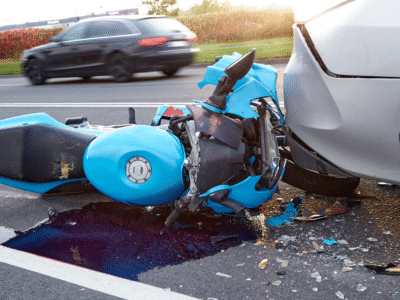
Motorcycle crashes are more likely to cause catastrophic injuries than other types of motor vehicle accidents because riders have less protection than people traveling in cars. Motorcycle accident victims may require extensive medical treatment, rehabilitation, extended time away from work, and even assisted living care.
Riding with the Pack: Legal Tips for Santa Barbara Motorcycle Enthusiasts Attending Local Rides and Events

Santa Barbara offers some of the most scenic and rider-friendly roads on the Central Coast, so it is no surprise that the local motorcycle community is thriving.
What Makes Motorcycles So Much More Dangerous Than Cars?

It’s not surprising that California has more motorcycle riders than any other state. Of course, California has the largest population, but there are additional reasons why motorcycles are popular in the Golden State. Our short rainy season makes it possible for people to use motorcycles to get around town and commute to work almost year-round.
Biker’s Arm Is a Serious Injury

In a motorcycle collision, it is second nature for a person to protect themselves by using their arms. Biker’s arm covers a broad range of injuries to the nerves in the upper arm that can result when a biker uses their arm to brace their fall in a crash, or when the motorcycle lands on their arm.
The nerves at risk of being damaged when a biker crashes are the median, ulnar, and radial nerves. Collectively, these nerves control the movement in arms, hands, and fingers. Biker’s arm can lead to devastating injuries such as permanent nerve damage or loss of function in the fingers and arms.
Road Rash: Who Is at Risk?

When you picture road rash, you may conjure an image of a scraped knee or skinned elbow. While those are technically mild forms of road rash, the severe forms can be much, much worse. Third-degree road rash, for example, usually results in skin, muscle, and tendon being stripped away from the body. In some cases, the bone may even be visible.
Don’t Downplay the Danger of Road Rash

When you think of road rash, you may imagine a child falling off of their first bike and skinning their knee or a teen stumbling as they try to flip their skateboard and scratching their arm. But the truth is, road rash is a dangerous injury that many motor vehicle accident victims suffer.
While most of us have experienced a minor form of road rash at some point in our lives, the more severe road rash injuries can affect you for the rest of your life.
Are Mopeds Just as Dangerous as Motorcycles?

When riding a motorcycle or bike, we’re all warned to ride defensively, wear a helmet, and make sure drivers know we’re on the road. There is very little advice readily available for moped lovers, however. Why is that? Is it because they are less dangerous to ride than motorcycles? Well, the truth may surprise you.
Practice Motorcycle Awareness Every Month

May was motorcycle awareness month, but everyone on the roads around Santa Barbara should be aware and respectful of motorcyclists all year long. Motorcyclists face certain dangers on the road that other motorists do not, and when accidents occur, they are more serious and life-threatening for people on motorcycles than for those in vehicles.
Motorcycle Lane-Splitting Is Legal in California, But Is It Safe?

Lane-splitting may seem inherently dangerous. But there is research to support the notion that it is actually safe and can be beneficial for everyone on the road. Throughout much of the world, lane-splitting on motorcycles is a perfectly acceptable way to get through traffic. In the U.S., however, it is only legal in California, where motorcyclists are free to move among other vehicles.