
 5 out of 5 on

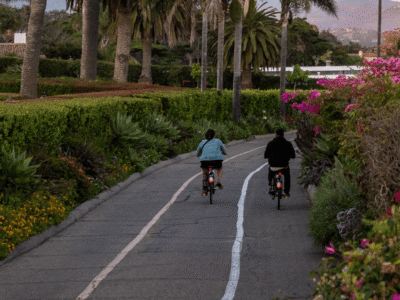
With its coastal views and pleasant climate, Santa Barbara is often considered a cycling haven. From leisure riders cruising Cabrillo Boulevard to commuters winding through downtown’s bike corridors, the city offers diverse cycling experiences.
As ridership has increased, particularly due to e-bikes and a growing sustainability movement, so have concerns about cyclist injury risk, infrastructure limitations, and the city’s overall readiness to ensure safe passage for its cycling population.
At NordstrandBlack PC, we have seen firsthand how infrastructure (good or bad) can influence both safety outcomes and legal responsibility. We represent cyclists injured in traffic collisions and urban cycling accidents.
The Current State of Santa Barbara’s Bike Infrastructure
Santa Barbara’s cycling network includes a mix of Class I, Class II, and Class III facilities:
- Class I bike paths are fully separated from vehicle traffic, which is ideal for families and recreational riders. Notable examples include the Coastal Bike Path along Cabrillo Boulevard.
- Class II bike lanes are painted on the roadway, typically on collector or arterial streets, such as Micheltorena Street and Modoc Road.
- Class III bike routes involve shared lanes with cars, often marked only by signs or pavement markings. These are common on streets like Laguna or Anacapa, where full bike lanes are not feasible.
In recent years, the city has added buffered lanes and explored protected bike lanes in California contexts, but much of the network still relies on older formats that do little to shield cyclists from fast-moving traffic.
Are Painted Lanes Enough to Provide Safety?
Painted bike lanes are better than nothing, but they offer little actual protection, especially on narrow streets or those with high vehicle speeds.
Studies consistently show that protected bike lanes (Class IV) that include physical barriers, such as bollards, curbs, or parked cars, dramatically reduce cyclist injury risk.
The city’s 2016 Bicycle Master Plan identified the need for such protected lanes on key corridors like Cota, State, and Haley Streets, but implementation has been slow, and Santa Barbara currently has no widespread Class IV infrastructure.
Maintenance and Design Gaps That Contribute to Risk
Existing infrastructure has limitations that can increase the risk of cyclist injury:
- Faded or missing lane markings reduce visibility, especially at night.
- Debris and potholes in bike lanes force cyclists into vehicle lanes.
- Unmarked transitions from Class II to Class III zones confuse riders and drivers alike.
- Poorly designed intersections where bike lanes vanish or cross multiple vehicle lanes are among the most common sites for urban cycling accidents.
The 2022 ATP progress report highlighted many of these issues, noting that new lane mileage may have increased, but maintenance and intersection upgrades are lagging. These shortcomings are not just inconveniences. They are potential liability factors in crash scenarios.
How Infrastructure Ties into Legal Liability
When a cyclist is injured in a collision, fault often lies with a negligent driver. What if the design or condition of the roadway, however, contributed to the crash?
Under California law, cities and municipalities have a legal duty to maintain safe public infrastructure. This means if the following happens, the city itself may be partially liable for a resulting crash:
- A bike lane ends abruptly at a dangerous intersection,
- A city fails to repair a known hazard, or
- Inadequate signage or markings mislead users,
This is particularly true in areas with high cyclist volumes where known issues have gone unaddressed despite public complaints or prior incidents.
At NordstrandBlack PC, we have experience investigating these types of cases, working to hold public entities accountable for unsafe infrastructure that contributed to a client’s injuries by reviewing:
- City planning bicycle safety reports
- Public works maintenance logs
- Crash data and 911 call history
How Santa Barbara Compares to Statewide Standards
The Caltrans Active Transportation Program emphasizes:
- Complete streets with safe infrastructure for all modes of travel
- Equity-focused planning
- Comprehensive data tracking
Santa Barbara has made strides toward these goals, especially in planning and public outreach, but still trails larger cities like San Francisco or San Diego in Class IV adoption and infrastructure connectivity.
For example, San Diego has over 500 miles of existing bike lanes. Santa Barbara, by contrast, has planned several protected corridors but has yet to deliver on most of them. This disparity matters, especially as protected bike lanes in California are now considered a best practice, not a bonus feature.
Tips for Cyclists in Santa Barbara
- Know your route – Stick to Class I and II routes when possible.
- Document unsafe areas – Use 311 services or the city’s complaint portal to report hazards.
- Use lights and high-visibility gear, especially during dusk or night rides.
- Carry uninsured/underinsured motorist (UM/UIM) coverage under your auto or umbrella policy—it can protect you even as a cyclist.
- If involved in a crash, document conditions at the scene. Was there a pothole, faded lane, or unclear signage? That detail could matter later.
Did Poor Infrastructure Contribute to Your Injuries?
At NordstrandBlack PC, we understand how infrastructure influences safety and liability. If you were injured while cycling in Santa Barbara, we can investigate whether poor maintenance, flawed design, or inadequate signage contributed to your crash.
We review city maintenance records and pursue full compensation from all responsible parties. Whether it is a negligent driver or a public agency, we fight to hold them accountable.
Speak With Our Experienced Bike Accident Lawyers in Santa Barbara
Santa Barbara’s cycling network is expanding, but until it fully delivers on its promise of safety and access, cyclists remain exposed to real risks. If you or a loved one has been injured due to unsafe road conditions or inadequate bike lane protections, let NordstrandBlack PC help you protect your rights.
Call our Santa Barbara bike accident attorneys at (805) 962-2022 to schedule a free consultation. Your recovery and your right to a safer ride matters to us.